 Aveho
AvehoWhere to start when downsizing or emptying a home: a room-by-room plan.
Downsizing, decluttering, or emptying a full house can be a surprisingly intimidating project. Standing back and seeing a lifetime of belongings scattered throughout an entire home is overwhelming for most people. But one small secret can make the process dramatically more manageable! Experts know that working through the rooms in a home in the right order can make a huge difference in how your project goes.
By Brian Filip, founder of Aveho and an experienced executive in the home-contents valuation industry. Before founding Aveho, Brian led a team of over 250 people at one of the nation's largest providers of home-contents valuation services to insurance companies.
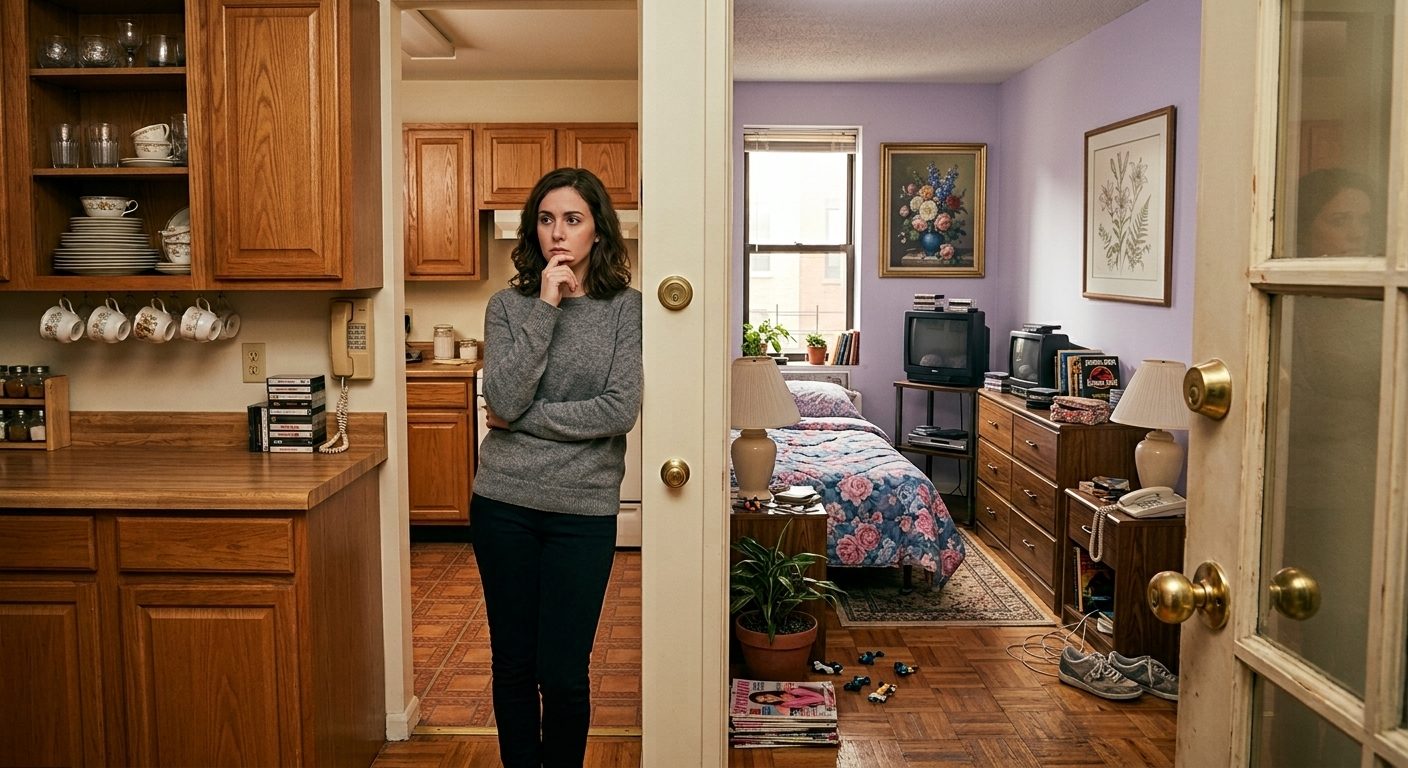
The short version: don't start by grabbing the first box you see. Instead, walk the whole house and build a quick mental inventory before you touch anything. Look at each room thinking about how much stuff is in the room, and whether it's "easy" or "hard" stuff to work through. Then make your plan, starting with the easy, low-emotion spaces first (bathrooms, guest rooms, kitchen) to build momentum, and saving the more challenging rooms for when you've found your rhythm.
Before you touch a single box: see the whole house first
The most common mistake is diving straight into the hardest room or box. You open the bedroom closet and dig out the box of old photos on the first morning. You get pulled into every memory and end the day emotionally wrung out with almost nothing cleared. Don't start there!
Instead, start by seeing the home as a whole. Walk through every room and build a mental inventory of what's actually there before you remove anything. This does two things. It shows you the real scope, so you really know what you're in for and you can plan for the time and help you'll need, and it allows you to build a smart strategy for how you'll actually work your way through the home.
Give yourself a realistic timeline
Almost everyone underestimates this. A full, lived-in home isn't a weekend project. A typical three-bedroom house that's been occupied for decades often takes several full weekends, depending on how packed it is and how much you plan to sell/share/donate versus simply remove. If you're working against a hard deadline, like a sale closing date or a facility move-in, count the weekends you actually have available and get help early rather than later. Plan for it to take longer than you think, and you'll be right more often than not.
The room order that keeps you sane
Work from least emotional to most emotional. Early wins in the easy rooms build the momentum and confidence you'll need for the harder ones. A reliable order for many people:
- Bathrooms and linen closets. Quick, mostly disposable. Easy wins to get you started.
- Kitchen. Almost always quick, easy decisions, with low emotional impact. Clears fast, feels productive, and the progress is very visible.
- Living room, dining room, guest rooms. Furniture, electronics, and decor. Fewer items than other rooms, so they go fairly quickly.
- Garage, basement, and storage areas. Now we're in the groove and can start tackling the more challenging areas. These rooms take longer because they generally contain a lot of items and are poorly organized. But, on a positive note, there's usually a lot of good resale value here. (Think tools, exercise equipment, bicycles). A great place to build momentum.
- The primary bedroom. Usually takes a lot longer because of the emotional connections in this more personal space. Jewelry and keepsakes often live here, so be prepared to slow down and work carefully.
- Photos, documents, and keepsakes. Always last. This is the slowest, most emotional category, and you'll handle it far better once the rest of the house is done.
What to do in each room
Clear enough space to make piles for the following categories:
- Keep
- Share
- Sell
- Donate
- Recycle
- Trash
To keep things straight, and to make sure that no one else "messes up" your work, it helps to actually take a piece of paper and make a sign for each category.
Not sure if something is actually worth selling? Or if charities in your area will accept it as a donation? A tool like Aveho helps with exactly that problem. Just snap a quick pic of the item and it will immediately provide just that kind of feedback.
Some tips on what to look for, room by room
A few specifics from years of valuing household contents, so you know where to slow down:
- Garage and basement. Usually a lot of value here. Quality hand and power tools, exercise equipment, bikes, camping and sports equipment. These all have solid resale value and are easy to sell.
- Kitchen. Most of it's low-value, but watch for quality cookware (Le Creuset, All-Clad, Ruffoni), cast iron pieces, and high-quality small appliances. Formal china and crystal sets are beautiful, but unfortunately demand for them is very low right now and they're usually hard to sell.
- Living and dining rooms. Traditional dark wood furniture sells for far less than people expect. But clean-lined mid-century pieces are highly sought after.
- Bedrooms. Make sure to identify all the jewelry and precious metals here. That's usually the most valuable thing in the bedroom. Most clothing is a donation, not a sale. But there's a strong resale market for designer brands (Gucci, Louis Vuitton, Hermes, Dior).
- Office and files. Keep legal and financial documents, shred anything sensitive, and digitize photos so more than one person can keep the memory. A recent computer, within the last 5 years, likely has some value. Anything older will probably need to be recycled.
- Attic and closets. Full of surprises! Don't rush the last dusty corners.
If you want to go deeper on what's actually worth selling, we walk through it in how to value belongings without an appraiser.
Final step: Don't skip the "pocket check"!
Before anything leaves the house, do a double-check search for hidden valuables. Older family members in particular often tuck away cash, jewelry, and important papers in surprising places: inside books, envelopes, coat pockets, freezers, and the backs of drawers. Look for important documents (wills, titles, insurance policies, tax records), safe-deposit and house keys, savings bonds, medications that need proper disposal. Look around the house for places you could hide things, and then assume there's something there.