 Aveho
AvehoWhat's it actually worth? How to value your parents' belongings without an appraiser.
Before you sell, donate, or hand anything down, you want to know what it's worth. Paying an appraiser, or estate sale company, to value a whole house is expensive and usually unnecessary. Here is how to get a reliable read yourself, versus when a professional is really the better option.
By Brian Filip, founder of Aveho and an experienced executive in the home-contents valuation industry. Before founding Aveho, Brian led a team of over 250 people at one of the nation's largest providers of home-contents valuation services to insurance companies.
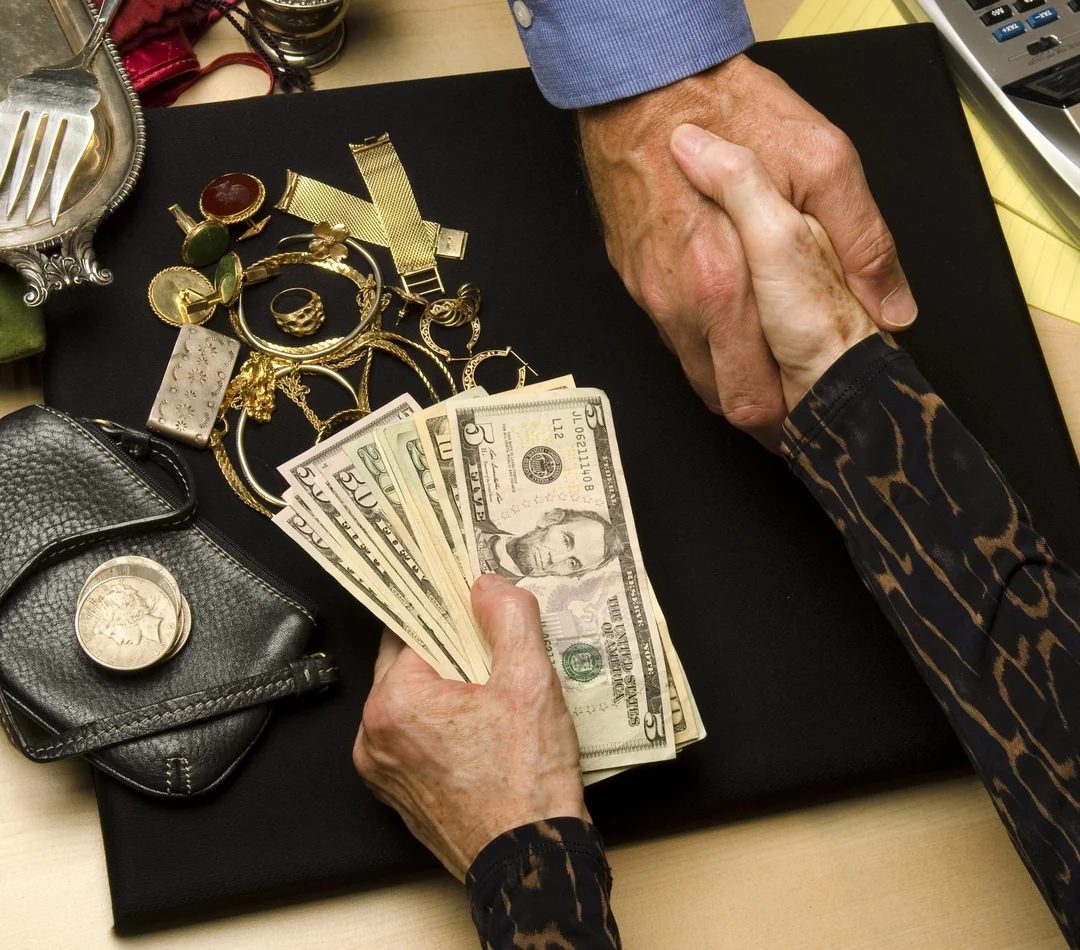
The short version: you don't need a paid appraiser to evaluate most of the items in an average home. In a typical house, the majority of items are worth very little, and the real value concentrates in just a few key categories. If you learn to recognize those categories, and you know how to find actual recent selling (not asking!) prices for items in those categories, you can usually handle most of this on your own. You can reserve professional appraisals for the handful of genuinely high-value or hard-to-authenticate items you've identified. Get a rough value on everything first. Then you can triage items into the right categories: dispose, sell, and appraise.
Why almost everyone guesses wrong about value
After years of valuing household contents at scale, the pattern is remarkably consistent: people misjudge what their belongings are worth in both directions. They overvalue the things with sentimental connection or a high original price, and they undervalue plain-looking items that are actually really popular right now. The heirloom china that "must be worth a fortune" often is worth nothing, while the dated-looking chair in the basement could be remarkably valuable to the right community. Guessing wrong is costly either way. Overestimate value and you waste weeks trying to sell something that is essentially unwanted. Underestimate value and you give away (or, worse, throw out!) real money.
Where the value actually is: the 80/20 of a home
In most homes, a small fraction of the items carry the large majority of the resale value. If you know which categories to look at closely, you can stop agonizing over every knick knack that "might" be collectable, and focus your time where it counts. Value tends to concentrate in:
- Jewelry and precious metals. Priced largely on materials and weight, with a premium for gemstones, designer names, and craftsmanship. Even broken items can have real value if they are of genuine gold, silver, or other precious materials.
- Firearms. A liquid, regulated market with reliable pricing. Well maintained items that are decades old are still quite valuable. Just make sure to handle transfer legally in your state.
- Quality tools. Well-kept hand and power tools hold value better than almost anything else in a garage. Remove any rust before trying to sell.
- Cast Iron Cookware. Cast iron pots and pans are quite popular right now, and people actively seek vintage pieces. Properly seasoned with no rust will be worth dramatically more.
- Collectibles with active markets. Coins, stamps, sports cards, vinyl records, and similar, where real buyers and price data exist. Coins, stamps, and trading cards are worth significantly more when professionally graded / appraised.
- Art, genuine antiques, and designer goods. Authentic items can carry significant value. The catch is the authentication, which is where a professional really shows their value.
What people consistently overvalue
Bracing yourself for these saves a lot of disappointment:
- Traditional dark wood "brown" furniture. Once a reliable store of value, it has fallen sharply over the last fifteen to twenty years as tastes shifted toward lighter, simpler pieces.
- Formal china, crystal, and silver-plate sets. Beautiful, and often nearly unsellable. Younger buyers are not setting formal tables. When they do, they want cleaner, simpler, more modern tableware. (Solid sterling is different, see below.)
- Mass-market "collectibles." Figurines, collector plates, and the like were sold as investments. Unfortunately these were usually sold in large volume, so they're often too common to be valuable.
- Encyclopedias and pianos. Unfortunately, they're just too large and heavy to fit in most modern homes. A showpiece Steinway will certainly hold value. But most upright pianos cost money to have removed, rather than having any resale value.
What people consistently undervalue
- Mid-century modern furniture. The clean-lined pieces from roughly the 1950s to 1970s are actively sought after.
- Sterling silver flatware. Solid sterling (not plate) is worth at least its melt value by weight, which can add up quickly in today's market.
- Vintage tools and cast iron cookware. Old, well-made, and in demand.
- Instruments and audio gear. Quality guitars, vintage amplifiers, turntables, and speakers can surprise you.
- Costume jewelry from named makers. Signed pieces from collected designers sell well even without precious materials.
How to check what something is really worth
One rule matters more than all the others: look at SOLD prices, not asking prices. What someone hopes to get for an item is just wishful thinking. What an item actually sold for is the truth. Make sure to always seek out the final sold prices. A few reliable ways to find real numbers:
- Filter for completed and sold listings. On auction sites, such as ebay, use the "sold items" filter to see what buyers truly paid, not what sellers are asking.
- Look for niche market data for unique items. Don't rely only on ebay or Facebook Marketplace. Search for "used" + "designer clothing" or "firearms" or "books" etc to find specialized sites with more reliable sales data for items in specific categories.
- Price precious metals on weight and spot. Weigh solid gold or sterling, apply the current spot price, and expect a dealer to pay somewhat under that.
- Account for condition and completeness. The same item can vary widely in value based on wear, damage, original packaging, and whether a set is complete. Be honest with yourself about whether something is "like new" or just "good", or you'll be disappointed with the offers.
When it is worth paying for a professional appraisal
Doing it yourself covers most of a home, but not all of it. Bring in a qualified appraiser when:
- An item is potentially high-value or you genuinely can't tell. Fine art, rare antiques, jewelry with significant stones, or a serious collection.
- You need documentation. Insurance, probate settlement, or tax purposes sometimes require a formal, signed appraisal.
- Authenticity is in question. Determining whether a piece is real, and by whom, is exactly what specialists are for.
The rule of thumb: pay for an appraisal when the potential value, or the cost of being wrong, clearly exceeds the fee. For the other 98% of an average home, you don't need one.
New DIY tools can make this all much easier for you
Solutions like Aveho were built to solve exactly this challenge. Simply snap a pic of an item and Aveho returns identification and an estimated value range in seconds, so you can get a rough number on everything quickly and then make smart decisions on what items might be worth getting a professional opinion. It's an instant first pass that tells you 98% of what you need to know, and highlights the 2% where you need to dig deeper. For the rare, high-value item that needs authentication and formal appraisal, a specialist is still the right call, and Aveho helps you spot which items those are.
Once you know what things are worth, other questions get easier: what to keep, what to sell, whether to hire an estate sale company or do it yourself, or how to divide belongings fairly among family.